Occupational Therapy (OT)
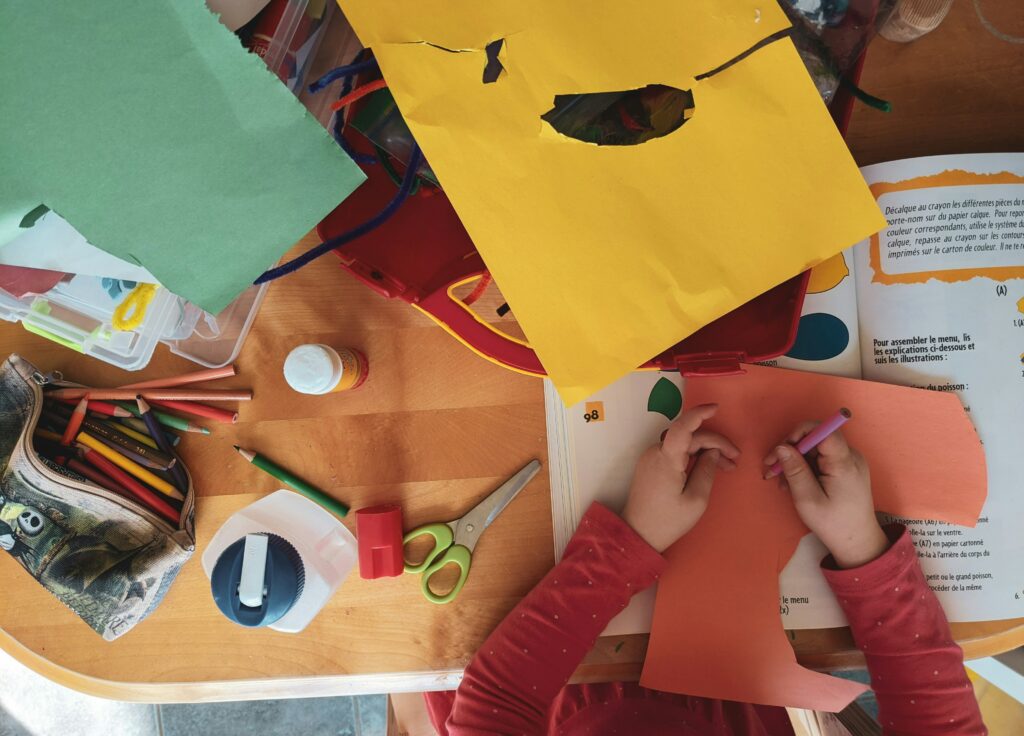
Occupational Therapy, or ‘OT’, helps children and young people develop the skills they need for the “occupations” of childhood: playing, learning, using tools for their everyday activities and managing daily self-care.
My approach focuses on supporting children across several key developmental areas:
Social Play: Developing the foundational playing skills essential for connection (a core element of my DIR Floortime ® practice).
Self-Care & Independence: Mastering daily routines such as dressing, using cutlery, and toileting.
School Readiness: Developing the fine motor skills required for handwriting, drawing, and using scissors.
Sensory Processing: Supporting children who may be over-sensitive to certain environments or those with a high need to stay “on the move” to focus and learn.
Emotional Regulation & Interoception: Helping children understand their body’s internal sensations and how they connect to emotional responses.
Attention & Executive Functioning: Assessing the classroom and/or home environment and adapting it as needed. Improving focus, memory, and the ability to stay organized at home and in the classroom.
Gross Motor Skills & Body Awareness: Building the coordination and confidence needed to navigate the playground, join PE, and play with friends.
My Clinical Approach
I provide individualized assessments and tailored therapy blocks for children and young people with a wide range of needs and diagnoses, including:
- Autism & ADHD
- Developmental Coordination Disorder (DCD/Dyspraxia)
- Developmental Delays & Down Syndrome
- Hemiplegia
My practice is rooted in a trauma-informed approach, ensuring that every child feels safe, understood, and supported throughout their therapeutic journey.
“Tell me and I forget.
Teach me and I remember.
Involve me and I learn.”Chinese proverb
DIR Floortime®: Connection over Conformity
DIR Floortime® is a therapeutic framework that prioritizes social-emotional growth and the power of relationships. Science shows that the brain develops most effectively through positive, healthy interactions with caregivers
What does DIR stand for?
- D (Developmental): Understanding where a child is on their unique developmental ladder and helping them move toward the next milestone.
- I (Individual Differences): Recognizing how each child uniquely perceives and processes the world (sensory, motor, and cognitive).
- R (Relationship-based): Utilizing the emotional connection between the child and their caregivers as the primary engine for learning.
Why I use this approach
As an Occupational Therapist, I “wear many hats” to meet a child’s needs. DIR Floortime® has been an invaluable tool in my practice, particularly for children often described as “hard to reach.” By focusing on playful, meaningful interactions rather than compliance, we can unlock progress in children who haven’t responded to more traditional, behavior-based methods.
The most powerful aspect of DIR Floortime® is that it advocates for connection over conformity, fully embracing and supporting the neurodiversity movement. While widely known for its success with autism, it was designed by the late Dr. Stanley Greenspan to support any child facing developmental challenges.
Learn More
To see the founders explain the “why” behind this model, I highly recommend this short video: